The concept of Mahr (the matrimonial gift or dowry given by the groom to the bride) is a central element of the Islamic marriage contract. Yet, despite its importance, discussions around Mahr frequently cause confusion, anxiety, and misunderstandings between prospective couples and their families.
Understanding the purpose, structure, and practical etiquette of Mahr helps couples approach these conversations with dignity, fairness, and mutual respect.
Mahr is an unconditional gift and financial right belonging solely to the bride, signifying commitment, respect, and responsibility.
What Is Mahr and Why Is It Given?
In an Islamic marriage, the Mahr is a mandatory gift given by the groom directly to the bride upon contract signing or according to a mutually agreed timeline.
Key Principles of Mahr:
- It Belongs Solely to the Bride: The Mahr is the exclusive personal property of the bride. Neither her parents, her in-laws, nor her husband have any right to take, control, or spend it without her free consent.
- It Is Not a Purchase Price: Marriage is a sacred partnership, not a financial transaction. The Mahr serves as a tangible expression of the groom's seriousness, willingness to provide, and respect for his future wife.
- It Provides Financial Security: While not always intended to cover a lifetime of expenses, it establishes a measure of financial independence for the bride from the start of the marriage.
Understanding how financial responsibilities fit into a larger household budget is a vital part of preparing for married life. You can review our marriage compatibility checklist to see how financial expectations should be evaluated early.
Prompt vs. Deferred Mahr
Mahr agreements can be structured flexibly depending on the couple's financial circumstances and mutual agreement.
| Structure Type | Timing of Payment | Practical Example |
|---|---|---|
| Prompt Mahr (Mu'ajjal) | Paid immediately upon signing the Nikah contract or during the wedding | Cash payment, gold jewelry, or real estate transferred at the time of marriage |
| Deferred Mahr (Mu'ajjal) | Paid at a mutually agreed later date or upon a specified event | A balance payable within 12 months, upon purchasing a home, or in the event of divorce |
| Combined (Prompt & Deferred) | A portion paid upfront with the remainder scheduled for the future | Half given as jewelry at the Nikah; remainder payable over an agreed timeframe |
It is crucial that any deferred terms are clearly documented in writing within the marriage contract to avoid ambiguity or dispute. To see how Mahr fits into the overall timeline of marriage preparation, consult our complete Nikah preparation checklist.
What Can Be Given as Mahr?
There is wide flexibility regarding the form Mahr can take, provided it holds legitimate value and is mutually agreeable to both parties.
- Financial Assets: Cash, bank transfers, stocks, or investment funds.
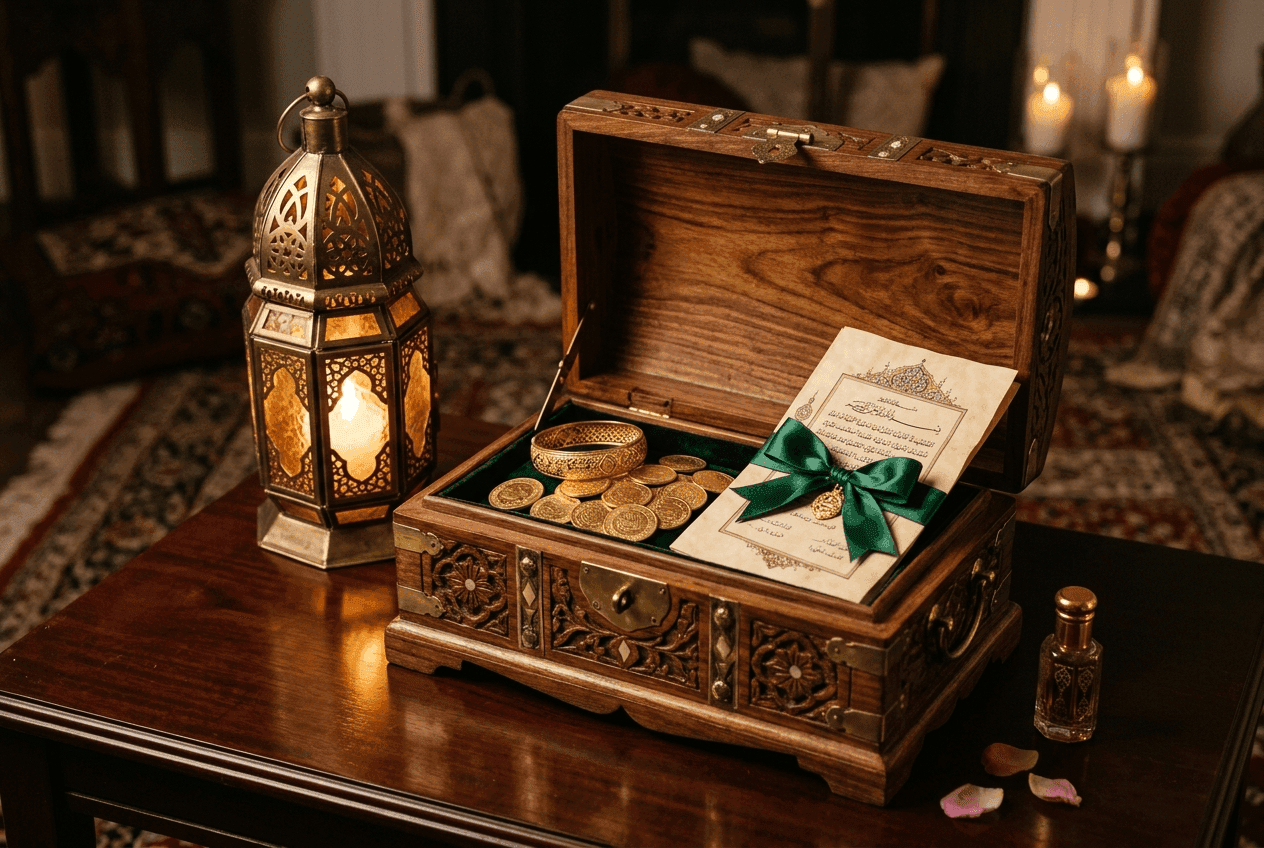
- Precious Metals: Gold coins, bullion, or bespoke jewelry.
- Real Estate & Tangible Assets: Property deeds, vehicles, or household furnishings.
- Non-Material or Educational Value: Funding higher education degrees, specialized vocational training, or financing travel for pilgrimage (Hajj/Umrah).
Determining a Fair and Reasonable Mahr Amount
There is no fixed minimum or maximum limit for Mahr in Islamic jurisprudence, allowing for flexibility across different economic backgrounds, countries, and social realities.
Considerations When Agreeing on an Amount:
- The Groom's Financial Reality: The Mahr should reflect what the groom can realistically afford without putting him into crippling debt or financial distress.
- The Bride's Expectations and Dignity: The amount should be meaningful and respectful, agreed upon with her full consent and satisfaction.
- Local Economic Norms: Considering average living costs and standard matrimonial practices within your community or country can provide a helpful benchmark.
Setting an excessively high Mahr that causes the groom to take predatory loans or burden himself with debt undermines the peace of the early marriage. Conversely, treating the Mahr as trivial or dismissive ignores its symbolic and practical value.
Common Misconceptions About Mahr
Misconception 1: "The Bride's Family Gets to Keep the Mahr"
- Reality: The Mahr is exclusively the bride's property. Parents may guide or advise her, but taking the Mahr for family expenses or wedding venue costs is unjust unless she freely gifts it.
Misconception 2: "Mahr is the Same as Cultural Dowry Paid by the Bride"
- Reality: In some regional cultures, the bride's family is pressured to provide lavish dowries (furniture, electronics, cash) to the groom. In Islamic tradition, this practice is reversed: the groom gives the gift to the bride, and no financial burden should be imposed on her family.
Misconception 3: "Deferred Mahr is Never Actually Paid"
- Reality: A deferred Mahr is a binding debt. The husband remains legally and morally obligated to fulfill the payment according to the agreed contract terms during the marriage. Any refusal to honor agreed contractual terms is a major relationship warning sign, as detailed in our premarital red flags guide.
Practical Tips for Discussing Mahr Without Awkwardness
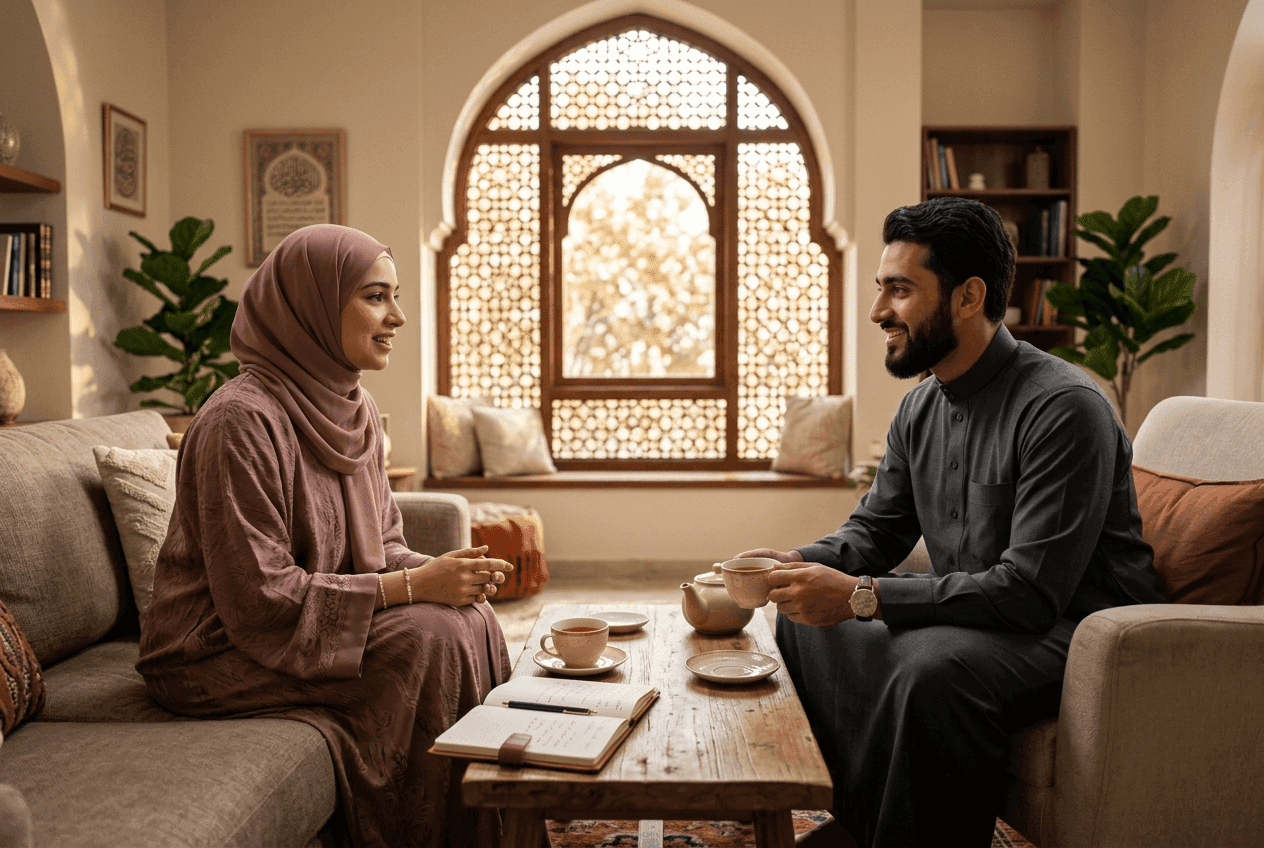
- Discuss Expectations Privately First: The prospective bride and groom should discuss realistic numbers and expectations between themselves before involving extended family. Use our 30 questions to ask before marriage to guide the dialogue.
- Involve the Wali Respectfully: The bride's Wali should represent her wishes faithfully and assist in negotiating terms that are fair and attainable. Read our Wali role and family guide for effective communication strategies.
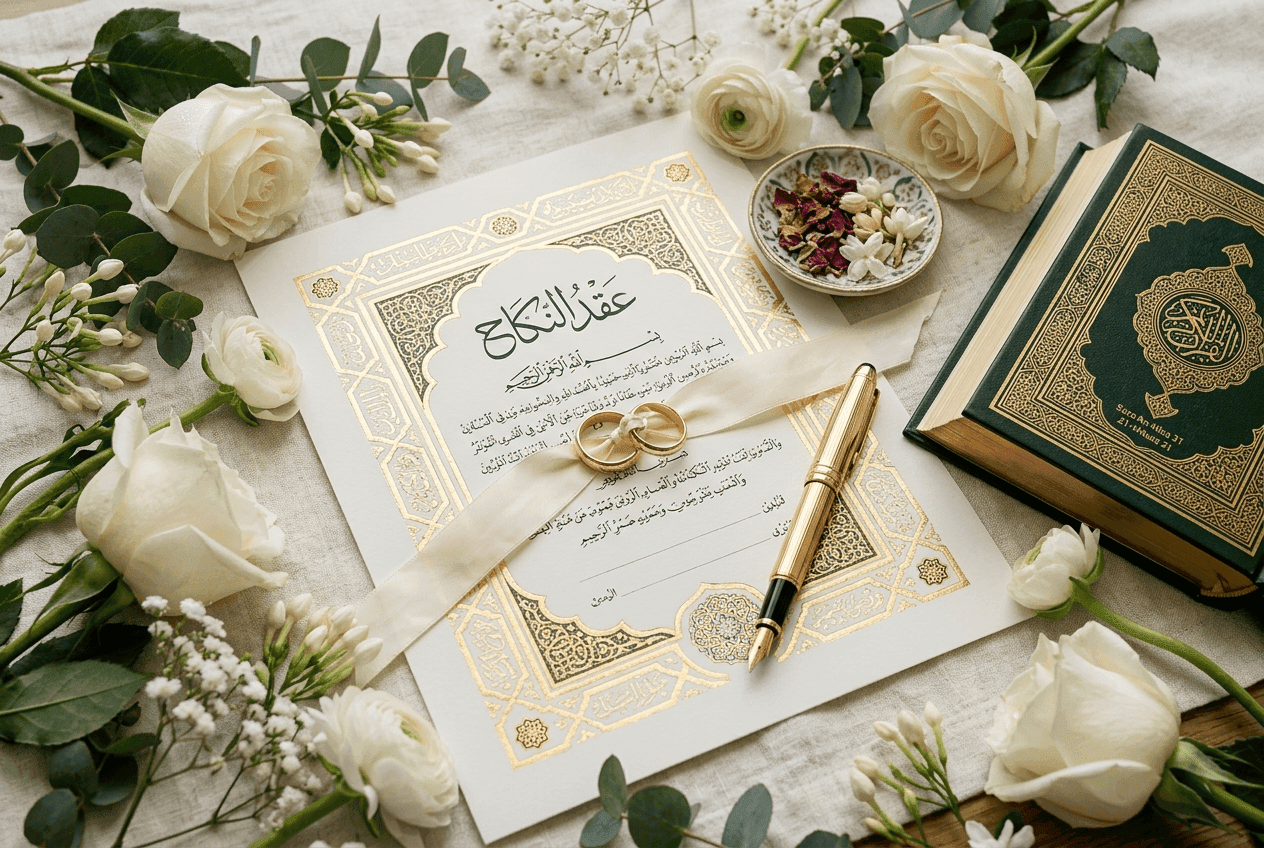
- Put Everything in Writing: Ensure the exact amount, currency, payment date, and any conditions are formally recorded on the official Nikah certificate.
Planning your marriage with open communication and financial fairness ensures that your Nikah begins on a foundation of trust, dignity, and peace. If you are seeking a practicing spouse on a halal Muslim Nikah platform, register a free candidate profile to start your search with photo privacy and family involvement.
Frequently asked questions
The Mahr belongs exclusively to the bride. It is her personal financial property and cannot be claimed or spent by parents, in-laws, or husband without her free consent.
Prompt Mahr is handed over immediately at the time of the Nikah ceremony, whereas deferred Mahr is scheduled for payment at an agreed future date or milestone.
The amount should balance the groom’s realistic financial capacity with the bride’s dignity and reasonable community norms, avoiding both excessive debt and dismissiveness.