Preparing for a Nikah involves much more than planning a wedding celebration. An Islamic marriage is a sacred contract, a legal agreement, and the foundation of a shared life. Ensuring that every spiritual, emotional, legal, and financial detail is addressed beforehand prevents unnecessary stress and ensures a smooth, tranquil start to married life.
Use this comprehensive, step-by-step checklist to guide your discussions and preparations in the months and weeks leading up to your Nikah ceremony.
Thorough preparation before the Nikah creates clarity, protects both partners' rights, and establishes a peaceful household.
Phase 1: Foundational Clarity (2 to 6 Months Before)
Before finalizing dates and making venue reservations, both prospective spouses and their families should ensure fundamental alignment on core life values and practical expectations.
1. Values and Lifestyle Alignment
- Discuss daily religious practice routines, character goals, and personal boundaries.
- Clarify expectations regarding living arrangements (independent housing vs. living with extended family).
- Discuss career plans, education aspirations, and relocation possibilities.
- Agree on timeline and views regarding having children and parenting approaches.
- Review our comprehensive 30 questions to ask before marriage to ensure deep mutual understanding.
2. Family and Wali Coordination
- Ensure the bride's Wali (guardian) is actively engaged throughout the introduction and planning stages.
- Facilitate respectful meetings between both families to establish mutual rapport.
- Confirm explicit, free consent from both the bride and the groom without family coercion.
- Consult our Wali and family involvement guide for structured tips on family co-management.
Phase 2: Essential Legal and Financial Agreements (1 to 2 Months Before)
The Nikah is a formal legal contract. Addressing practical, legal, and financial matters early ensures complete transparency and eliminates last-minute friction.
1. Agreeing on the Mahr (Dowry)
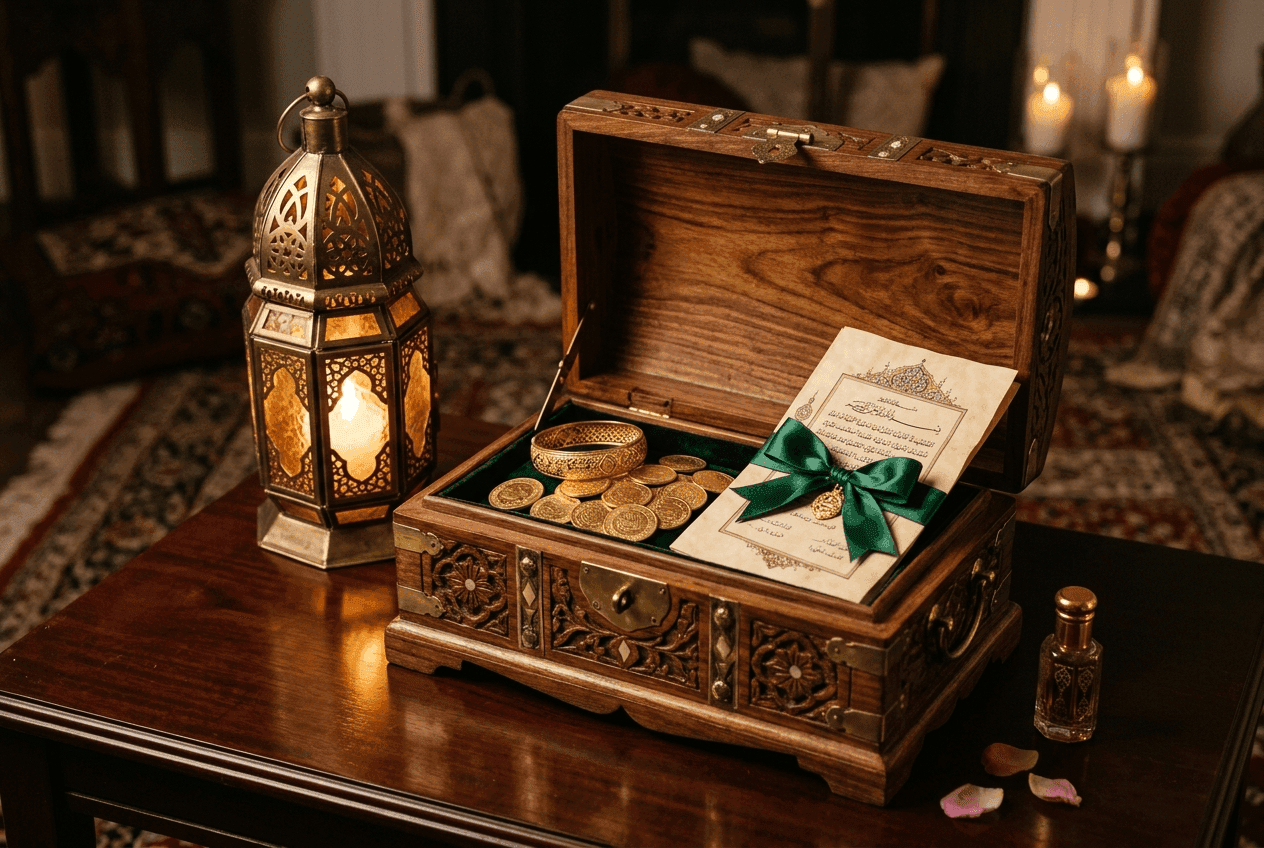
- Discuss and mutually agree upon the Mahr amount and form (financial assets, tangible goods, gold, or educational support).
- Specify whether the Mahr will be paid immediately (prompt) or scheduled for a later date (deferred).
- Read our detailed practical guide to Mahr in marriage for realistic budgeting and discussion tips.
- Clearly document the agreed Mahr terms in writing to avoid future misunderstandings or family disputes.
2. Drafting Special Contract Conditions
- Review whether specific agreed stipulations (e.g., career continuation, education completion, housing autonomy) need to be included in the marriage contract.
- Consult a qualified local marriage registrar or officiant to ensure all terms are drafted clearly and honorably.
3. Civil Marriage Registration Planning
- Verify local legal requirements in your jurisdiction (e.g., UK, USA, Canada, UAE, India).
- For couples in Britain, note that a religious Nikah must be paired with official UK civil registration; see our UK Muslim matrimony guide for regional specifics.
- Submit necessary paperwork to the local registry office for civil marriage licensing and ceremony booking.
Phase 3: Health, Financial & Logistics Due Diligence (3 to 4 Weeks Before)
Openness regarding physical health, emotional readiness, and financial commitments prevents difficult surprises after moving in together.
1. Health and Premarital Screening
- Complete voluntary premarital medical checkups (blood group compatibility, genetic carrier screening, and general health).
- Share any chronic medical conditions, mental health considerations, or ongoing treatments compassionately.
2. Financial Openness
- Disclose any personal debts, loans, student obligations, or existing family financial support requirements.
- Establish a preliminary monthly household budget covering rent, utilities, groceries, transportation, and savings.
- Agree on how joint household expenses and personal spending will be handled respectfully.
Phase 4: The Nikah Ceremony Preparation (1 to 2 Weeks Before)
Confirming the administrative details of the ceremony ensures that the contract signing proceeds smoothly on the day.
Official Nikah Ceremony Checklist:
- The Officiant (Imam / Registrar): Confirm the officiating imam or authorized marriage officer's availability, time, and required documentation.
- Identification Documents: Ensure both parties, the Wali, and witnesses have valid government-issued photo IDs (passports or driver's licenses).
- The Wali: Confirm the presence or official proxy authorization of the bride's Wali.
- The Witnesses: Appoint two eligible, trustworthy adult male witnesses and confirm their attendance.
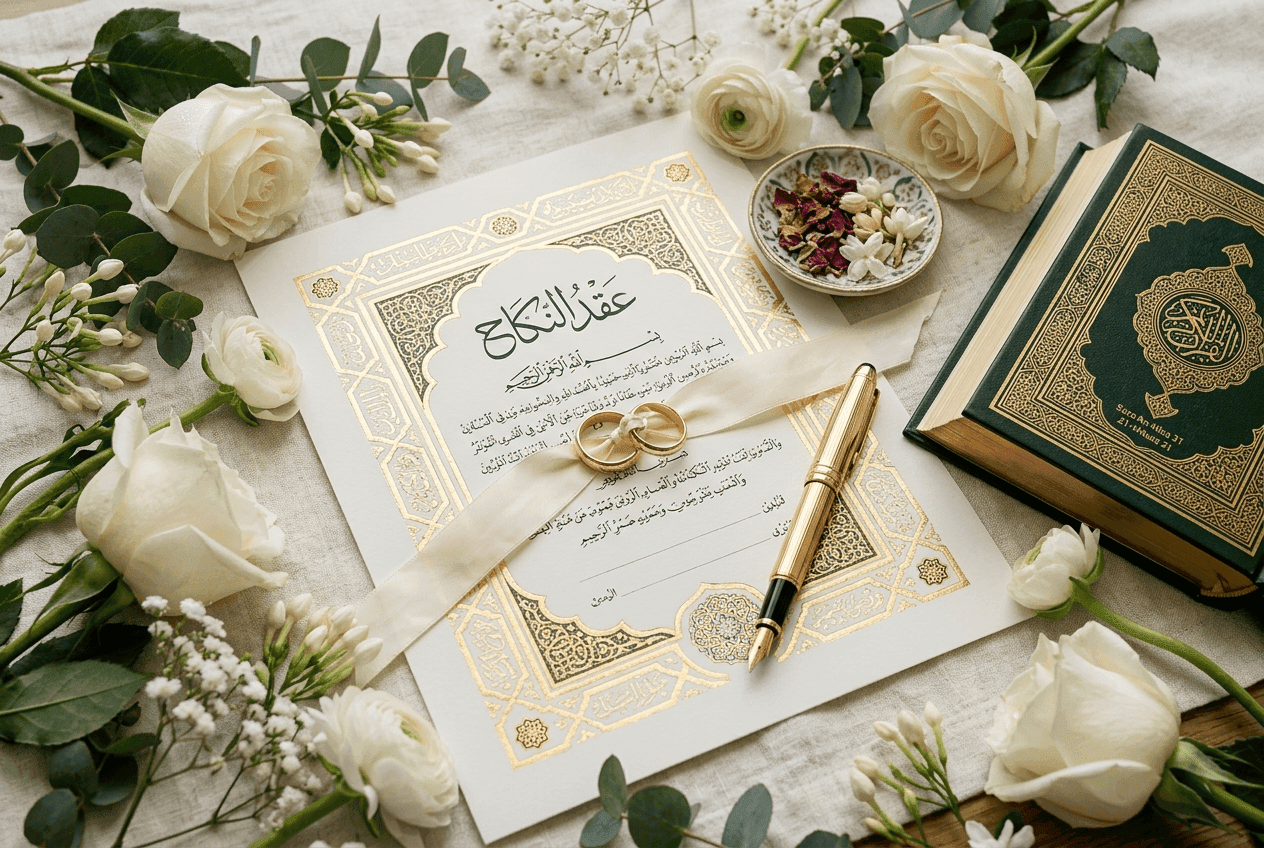
- Contract Certificates: Have the official marriage certificate forms printed, reviewed, and ready for signatures.
- Mahr Handover: If prompt Mahr is agreed upon, ensure the payment, jewelry, or gift is ready for handover during the ceremony.
Phase 5: Setting Up Your Home and Transition
- Finalize housing lease or living quarters with essential furniture and utilities connected.
- Plan initial grocery and household necessities for the first two weeks.
- Agree on post-wedding downtime to allow both partners to rest and adjust before hosting guests.
Complete Nikah Preparation Summary
| Preparation Area | Key Action Item | Priority Level |
|---|---|---|
| Mutual Consent | Direct discussion between prospective spouses | Essential Requirement |
| Guardian Engagement | Active participation of the bride's Wali | Essential Requirement |
| Mahr Terms | Agreed amount, structure, and written record | Essential Requirement |
| Witnesses | Two eligible, reliable adult witnesses | Essential Requirement |
| Civil Registration | Local registry office appointment | Strongly Recommended |
| Health Check | Premarital screening and medical transparency | Strongly Recommended |
| Financial Disclosures | Debts, budgeting, and living arrangements | Essential Requirement |
Whether you are in the initial stages of searching for a spouse or finalizing contract details, approaching marriage with transparency ensures lasting peace. Review our 30 questions to ask before marriage in Islam to confirm mutual compatibility, learn how to pray Istikhara for marriage for divine guidance, and ensure all essential conditions of a valid Nikah are satisfied. You can start your spouse search on The Muslim Nikah by creating a free candidate profile on our privacy-first matrimonial platform.
Frequently asked questions
The core elements include mutual consent of both bride and groom, the presence and consent of the Wali, agreed Mahr terms, and two eligible adult witnesses.
In Western countries like the UK, USA, and Canada, couples should coordinate civil registry notices 1 to 2 months in advance to ensure full legal rights alongside religious marriage.
Yes, any mutually agreed stipulations regarding housing, career continuation, or education can be formally documented in the marriage contract.